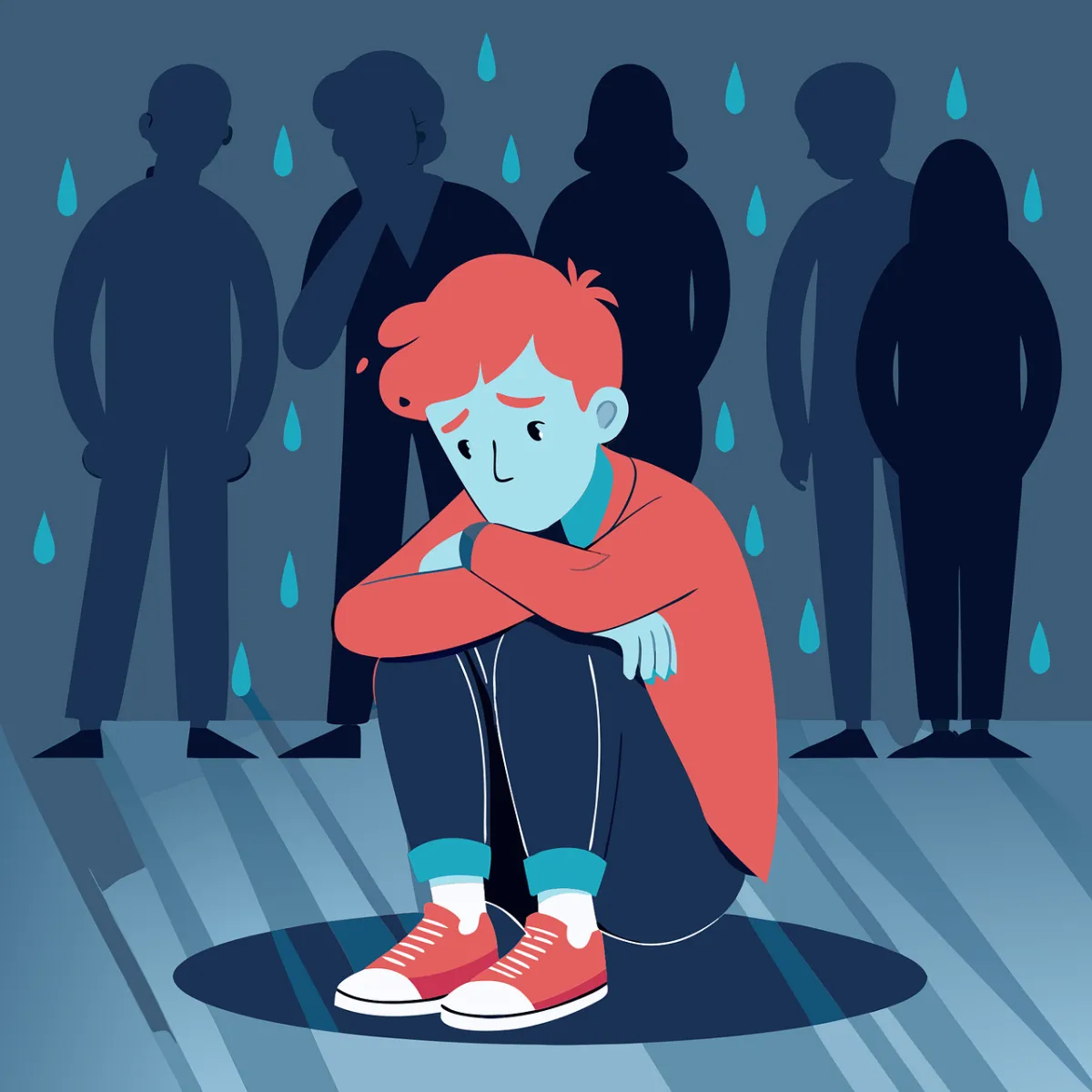
Bullying and Neurodivergence
Bullying of high-functioning or highly capable autistic children can be especially subtle and insidious, often flying under the radar in ways that can make it difficult to recognize and address.
Bullying is an issue that affects children in schools around the world, but for children with autism, the experience can be much more complex. Among the autism spectrum, there’s a group of kids who are often overlooked—those who are high-functioning, or what’s known as “Level 1” autism. These kids may have advanced cognitive skills, a strong academic aptitude, and a range of talents. But despite their capabilities, they can also be especially vulnerable to a more subtle, targeted form of bullying.
While most people think of bullying as physical aggression or overt taunting, for high-functioning autistic children, the abuse they experience is often more covert and harder to recognize. The bullying they face is often driven by their social differences, and it takes many forms, often hiding in plain sight. Let’s explore the subtle nature of bullying targeted at autistic children and why it’s so difficult to detect and address.
Understanding High-Functioning Autism
When we talk about high-functioning autism, we’re referring to children who are able to communicate and function in society but face challenges with social interactions, non-verbal communication, and often sensory processing. These children often excel in certain academic or creative areas but struggle with interpreting social cues, understanding sarcasm, or building friendships. They also tend to have intense special interests, often seen as not being age appropriate by their peers.
Because their intelligence is often not in question, these children may not receive the kind of attention or resources typically associated with children with more visible disabilities. However, their differences, especially when it comes to social skills, can make them prime targets for bullying. And because they may not always show signs of distress or report the bullying themselves, the problem can go unnoticed. My kids experienced interactions that were bullying that they did not even recognize as such but also interactions that were just “social middle school nuances” that they interpreted as bullying due to misunderstanding of social cues and norms. In other words, what I saw was seeing bullying when there wasn’t and not seeing it when there was.
Completely frustrating, right?!?
The Subtle Nature of Bullying
The bullying faced by high-functioning autistic children is rarely physical, which is part of the reason it can be so difficult for teachers, parents, or even the kids themselves to recognize. Instead, this bullying manifests in ways that might be easier to ignore or justify. These children may be excluded from groups, ignored, or ridiculed for not following social norms, without anyone ever raising a concern.
For example, a child with autism might not understand why a peer laughs at them when they don’t respond to a sarcastic remark. They might not know how to read body language or tone of voice, and this can leave them vulnerable to ridicule. Yet, because the bullying is so subtle, it might be dismissed by other students as just "quirky behavior" or "not fitting in." There is also a hard-to-understand disparity between tweens and teens with autism. They are very empathetic and ready to listen to their friends but do not understand when they don’t get the same level of attention in return. It often doesn’t raise alarms until the child begins to show signs of emotional distress, and by then, the bullying may have been going on for months or even years.
Forms of Bullying Targeting Autistic Kids
Exclusion & Isolation: One of the most common, yet subtle, forms of bullying is social exclusion. Autistic children may not be invited to birthday parties or social gatherings, sometimes due to misunderstandings or differences in social expectations. They might find themselves alone at lunch or unable to participate in group activities, which can feel very isolating.
Mocking Social Differences: Children with autism may struggle to interpret non-verbal communication cues, like facial expressions or body language, or they may misinterpret jokes and sarcasm. This can make them an easy target for mocking. They may not be able to “read” the social nuances in ways other children can, leaving them vulnerable to being ridiculed for things beyond their control.
Verbal Bullying: While physical bullying is often more apparent, verbal bullying, such as name-calling or making fun of sensory sensitivities (like being overwhelmed by noise or lights) or stimming behaviors can be equally damaging. Autistic kids often internalize these insults, and since they may struggle with verbalizing their feelings, the emotional toll can be significant, often leading to anxiety.
Exploitation of Special Interests: Many autistic children have intense and specific interests. Unfortunately, bullies may use these passions to tease or manipulate them. For example, they might mock a child for their knowledge of a particular subject or take advantage of their enthusiasm to get them to do things that others wouldn’t.
Why Subtle Bullying Goes Unnoticed
For many high-functioning autistic children, the emotional and psychological impact of bullying is often hidden. Teachers and peers often assume that because the child is academically successful, they aren’t struggling socially or emotionally. These children may have a hard time articulating their feelings or may not recognize the bullying as something that’s happening to them.
It’s also easy to dismiss subtle bullying as "just kids being kids," which further exacerbates the problem. If an autistic child is not physically attacked or is not overtly upset, the bullying can fly under the radar, even for parents and teachers who might feel that the child is doing just fine.
The Impact on High-Functioning Autistic Kids
The impact of this subtle, emotional bullying can be profound. It can lead to anxiety, depression, and social withdrawal. Children who are constantly excluded or made to feel different may develop a low sense of self-worth adding to the already hugely confusing sense of self. Over time, these feelings of inadequacy can erode their confidence, and they may even start to question their place in the world.
If left unchecked, subtle bullying can also lead to isolation and loneliness. These children, despite their talents and intelligence, may end up feeling like they don’t belong, creating a vicious cycle of self-doubt and emotional pain. The incidence of substance abuse, self-injury and suicide are statistically higher than usual for children of the same age.
What Can Be Done?
So, how can we combat the subtle bullying that so many high-functioning autistic children face? Here are a few steps we can take:
Raise Awareness in Schools: Schools need to recognize that bullying is not always loud and obvious. Educators should be trained to identify more subtle forms of bullying and create a culture of empathy and inclusion.
Teach Empathy and Social Skills: By fostering empathy and understanding among all students, we can create environments where differences are celebrated rather than mocked. Social skills programs designed specifically for neurodivergent children can also help teach the social cues that may otherwise be missed.
Encourage Open Communication: Children need to feel comfortable sharing their experiences, whether at home or at school. This requires an open dialogue where parents, teachers, and students collaborate to ensure that any sign of bullying is addressed early on.
Empower Self-Advocacy: Teaching children with autism to recognize bullying and giving them strategies to defend themselves, whether that’s reporting incidents or using specific coping mechanisms, can help them feel more in control of their social lives.
Subtle bullying of high-functioning autistic children is a serious issue that often goes unnoticed, but with awareness, understanding, and support, we can make a real difference. It’s time to acknowledge the unique challenges faced by these children and to foster environments where kindness, empathy, and respect are the norms. By doing so, we create a world where all children, regardless of their differences, can thrive and feel valued.
I’m here to help if your child needs an IEP or needs emotional regulation skills added to their existing IEP. Please reach out. I'd love to help!
Please feel free to share this post with anyone you may know that can use this information.
