Why can't my child just pay attention? Understanding sustained attention
You've probably said it. Actually, I know you have. Because I have. Over, and over, and over ...
"Please pay attention."
Maybe you've said it while your child is doing homework.
Maybe you've said it while they're getting dressed, cleaning their room, or listening to instructions.
And then there's the question parents often ask:
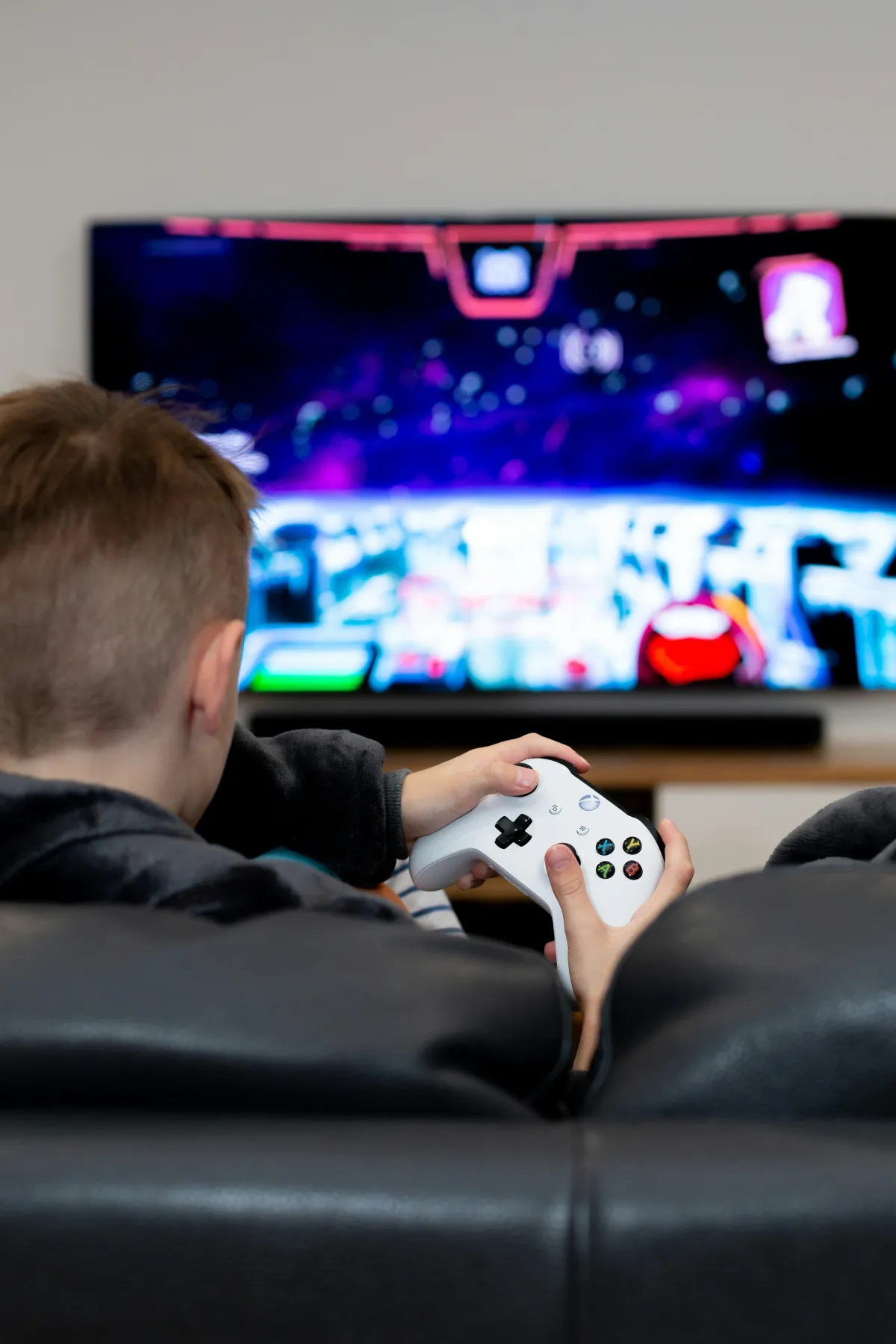
"How can my child focus on a video game for two hours but not finish a 20-minute homework assignment?"
It's a frustrating question.
It can also lead us toward the idea that a child can pay attention when they want to, so they simply aren't trying hard enough when they don't.
But before we settle on that thought, I want to look at what sustained attention actually asks of a child.
What is sustained attention?
Sustained attention is the ability to keep your mind focused on a task over a period of time.
It helps us stay with something even when it becomes boring, repetitive, difficult, or less interesting.
Children use sustained attention throughout the school day.
They listen to a lesson.
Read a chapter.
Complete a worksheet.
Work through a math problem.
Listen to a teacher's directions.
Then they come home and are expected to do more.
That's a lot of time asking a developing brain to stay engaged.
Sustained attention works alongside other executive functioning skills, including working memory, self-control, planning, and flexible thinking.
Children develop these skills over time through practice and experience.
"But they can focus on things they like."
This is one of THE most common statements I hear.
And it's a good question.
Your child may spend an hour building with LEGO, drawing, playing a video game, reading about dinosaurs, or talking about their favorite sport.
Then you ask them to read two pages for school and suddenly they're staring at the ceiling.
It can look confusing.
It can even feel unfair.
But attention isn't the same thing as interest.
Highly engaging activities can naturally hold a child's attention because they provide frequent feedback, novelty, movement, challenge, or a strong personal interest. (I think about myself ... cleaning the bathroom vs. binging Netflix ... 😏)
Homework may not (and for many kiddos, it does not) offer the same level of engagement.
The American Academy of Pediatrics notes that children with ADHD often have more difficulty sustaining attention during activities that require ongoing mental effort, particularly when those activities are repetitive or less stimulating.
That doesn't mean your child is choosing to pay attention to one thing and not another.
It means the attention demands of the two activities may be very different.
What sustained attention challenges can look like
Your child:
* Starts an assignment but frequently looks away.
* Gets up repeatedly.
* Talks about unrelated things.
* Takes much longer than expected to finish.
* Misses parts of directions.
* Rushes through the last few questions (if not the entire thing "just wanting to be done").
* Needs frequent reminders to return to the task.
* Appears to be working but isn't making much progress.
From the outside, it can look like your child simply isn't trying.
The other explanation? The task may be asking them to sustain attention longer than they currently can without support.
Why "just pay attention" doesn't teach attention
Imagine telling someone who is learning to play the piano, "Just play better."
Or my personal favorite, "just stop being anxious about it." (This always calms me right down. NOT!)
Saying "just play better" doesn't tell them what to do differently.
The same is true with attention.
"Pay attention" is an outcome.
It isn't a strategy.
Children may need help figuring out:
* What should I be paying attention to?
* How long do I need to work?
* What should I do when I notice my mind wandering? (or even HOW do I know my mind is wandering?)
* When can I take a break?
* How will I know I'm making progress?
Those are skills that can be practiced. So, what can help?
Break the work into smaller pieces
Instead of: "Finish your homework."
Try: "Let's work on only these three problems, then check back in."
Shorter chunks can make a long assignment feel more manageable.
The American Academy of Pediatrics recommends breaking homework and other lengthy activities into shorter periods when sustained attention is difficult.
Make the goal specific. You can read more about SMART goals in my previous blog on making effective goals.
"Pay attention" is a very vague statement.
Instead, ask your kiddo to "read this paragraph and underline the two things you think are most important".
Now your child knows what to look for.
Use movement strategically
Some children do better when they have opportunities to move between periods of focused work.
A short walk, stretch, water break, or quick movement activity can provide a reset before returning to the task.
Reduce distractions, but don't assume silence is always best
This one often surprises parents.
There isn't one perfect homework environment for every child.
Some children work better in a quiet room. Others may focus better at the kitchen table where there's some activity around them.
The goal is to notice what helps your child stay engaged rather than assuming the quietest possible space will always work best.
Notice effort, not just completion
If your child works for ten focused minutes when they usually manage just three, that's worth noticing. And please point it out to them. They often won't see the progress they're making.
You're helping them recognize that attention is something they can practice and build.
What about screen time?
This is where things can get complicated.
Sometimes I hear my parents say, "they can focus on a screen, so they should be able to focus on homework."
But the two experiences are FAR from equivalent.
A highly engaging game may provide constant feedback, immediate rewards, movement, sound, novelty, and clear goals.
A worksheet may provide none of those things.
That doesn't mean screens are automatically good or bad for attention.
It means we should be careful about using a child's ability to focus on a highly engaging activity as proof that they can sustain attention on every task.
The goal isn't perfect attention
Every child will lose focus. Every adult does too.
The goal is helping children notice when their attention has wandered and learn ways to bring it back.
That might mean working for shorter periods.
Using a checklist.
Taking a planned break.
Changing the environment.
Or having an adult help them return to the task without turning every reminder into a conflict.
Those supports aren't about doing the work for your child.
They're about helping your child practice a skill that is still developing.
Behind the Behavior
When your child looks away from the homework for the tenth time, it's easy to moan and think, "They're just not paying attention."
ERRR .......
Well, maybe.
But there may also be more to the story. Because every behavior tells a story.
The task may be too long.
The work may be difficult.
Your child may be tired.
The environment may be distracting.
Or their ability to sustain attention may simply need more support and practice.
Before giving the next reminder, ask yourself "What would make it easier for my child to stay with this task right now?"
That question shifts the focus from how many times you've had to remind them to what might actually help them stay engaged.
Reflection for this week
This week, notice when your child's attention begins to wander.
What were they doing?
How long had they been working?
Was the task difficult, repetitive, or unclear?
Did they know what they were supposed to be doing exactly?
You don't have to change everything at once. Start by noticing the pattern. Then ask yourself, "Am I asking my child to 'pay attention', or am I helping them learn how to bring their attention back?
